
Dental Blog

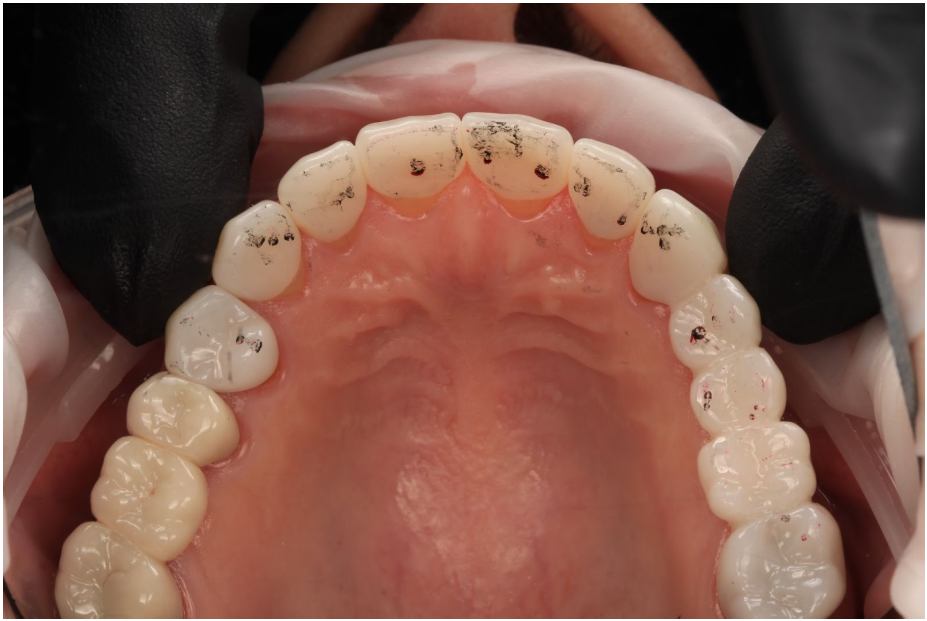
The Evidence on Articulating Paper: Why You Should Never Adjust Without Shimstock

Articulating paper is the most universally used tool in clinical dentistry. Every dental school teaches it. Every clinic stocks it. The workflow is ingrained: have the patient tap, examine the marks, and adjust whatever looks heavy.
But what does the evidence actually say about articulating paper? Is it accurate? Is it reliable? And can clinicians interpret the marks it produces?
The short answer to all three is no. And understanding why should change the way every dentist checks and adjusts occlusion.
Read More »

Should We Be Splinting Adjacent Implants?

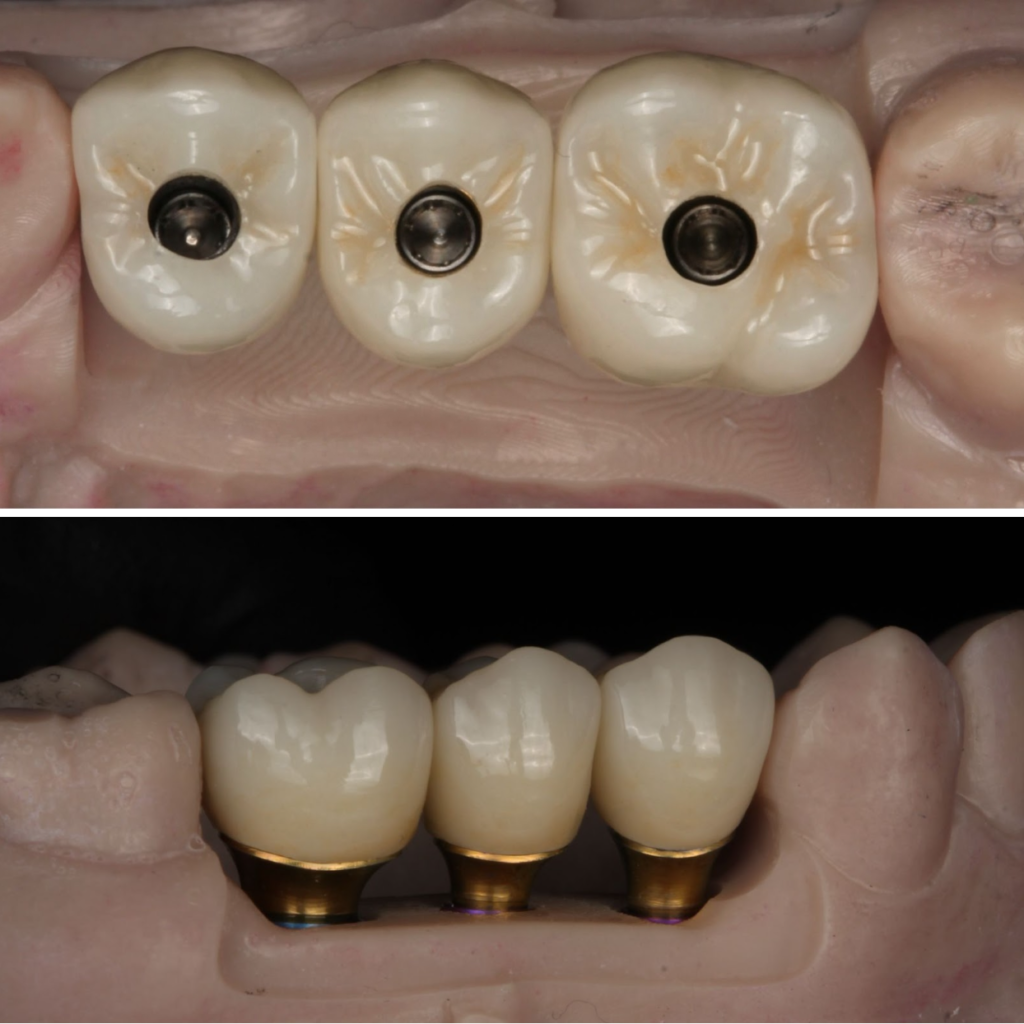
This is a question I get asked frequently — by colleagues, by residents, and by referring dentists. Should we be splinting adjacent implants? The short answer is that in the majority of clinical scenarios, no. And the evidence is clear on this.

For decades, the default teaching in prosthodontics has been to splint adjacent implants to “distribute occlusal forces” and “protect marginal bone.” It sounds logical. It makes biomechanical sense on paper. But when you look at the clinical evidence — including high-level evidence such as randomized controlled trials, systematic reviews, and meta-analyses — the data does not support routine splinting of adjacent implants.

Read More »